




Quiet Innovations You Can Build From What You Already Have

Today we dive into DIY Calm Technology Projects with Recycled Parts, turning forgotten gadgets into gentle companions that inform without demanding attention. Expect approachable guidance, candid lessons, and small wins that respect your time, energy, and environment. We’ll sketch ideas, salvage thoughtfully, and craft interfaces that whisper instead of shout, using reclaimed LEDs, motors, and e-paper. Share your questions, subscribe for updates, and tell us what you’re rebuilding; your stories help shape the next quiet, sustainable experiments together.

Principles That Keep Attention Peaceful

Choose sensors and outputs that favor glanceable cues over constant alerts. A reclaimed photoresistor, gentle RGB LED, or quietly vibrating motor can convey progress, presence, or thresholds. Calibrating sensitivity, brightness, and duration lets information stay near the edge of attention without stealing focus.
Let visible screws, labeled wires, and scratched yet sturdy enclosures celebrate reuse rather than hide it. When a project proudly shows its previous life—a charger shell, an e-paper bezel—it invites care, conversation, and repair. This transparency builds trust and reduces pressure for glossy perfection.
Design for partial function when reclaimed parts fail or drift. If a salvaged LED dims or a motor weakens, the device can still communicate using slower animations, longer intervals, or alternate cues. Logging simple diagnostics helps you iterate gently without tossing the whole build.

Afternoon Builds That Calmly Deliver

Start small with projects that promise clear results without marathon sessions. Using parts from drawers and dead devices, you’ll build artifacts that gently report weather, focus intervals, or household rhythms. Each idea prioritizes easy sourcing, minimal soldering, and quiet behavior, so you finish with confidence and learn patterns you can reuse.

Ambient Weather Glow From Scraps

Combine a salvaged USB charger, an old microcontroller, and leftover LEDs to create a subtle weather indicator. Colors shift slowly with forecast trends, never pulsing aggressively. Diffuse light through frosted plastic from packaging, and mount everything into a reused jar, creating a soft presence that respects nighttime darkness.

Haptic Focus Pebble

Harvest a tiny vibration motor from a discarded phone and nest it in a smooth, hand-sized stone or wooden block. A gentle tick marks interval boundaries for deep work without screens. A single reclaimed button pauses, while long press toggles modes; no app, no analysis, just supportive rhythm.

Salvaging Safely and Smartly

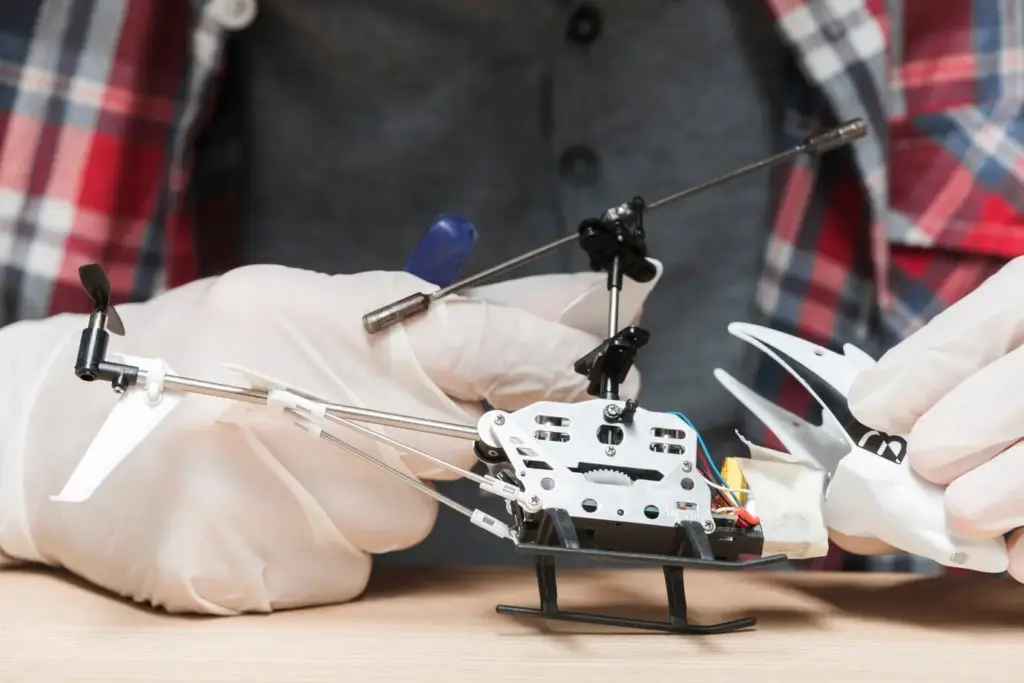
Responsible reuse begins with care. Learn which devices yield reliable parts, how to discharge capacitors, and when to walk away. Handling lithium cells, CRT remnants, or high-voltage supplies requires respect. With gloves, glasses, antistatic practices, and patience, you protect yourself while extracting components that deserve a second life.

Light That Respects Circadian Rhythms

Use warm palettes at night and cooler tones by day, dimming automatically based on ambient sensing from reclaimed photoresistors. Diffuse LEDs through paper, milk jugs, or sanded acrylic to prevent hotspots. Gradual fades communicate transitions gracefully, while rare, brief pulses can indicate exceptions without feeling alarming.

Touch, Haptics, and Texture

Wood, fabric, and smooth stones feel calmer than glossy plastic. Pair tactile materials with gentle, low-amplitude haptics from salvaged motors, shaping vibrations into slow envelopes instead of buzzes. A textured knob or braided cord offers blind operation, reducing screen dependency and keeping interactions grounded, humane, and forgiving.

Power That Lives Lightly on the Grid

Energy thrift complements calm interaction. Design for low idle draw, deep sleep, and energy harvesting where feasible. Reclaim chargers, solar garden panels, and battery holders to keep costs low. Thoughtful power budgets, soft-start circuits, and rigorous charging practices extend lifespans and reduce environmental impact without compromising dependable behavior.

Reclaimed Cells, Managed Safely

If you reuse lithium cells, add proper protection: a quality BMS, balanced charging, and conservative discharge limits. Enclose cells in ventilated, nonflammable housings. Monitor temperature and voltage sag. When cells test poorly, recycle them promptly; the quietest project is the one that avoids stress and surprises.

Harvesting Gentle Power

Repurpose solar lights from gardens, bicycle dynamos, or tiny piezo elements under desk legs. Buffer energy with supercapacitors, then deliver just enough to refresh an e‑ink display or pulse an LED. Scheduling updates at wider intervals keeps information timely without draining capacity unnecessarily.

Firmware for Frugality

Write event-driven code that spends most time asleep. Wake on interrupts from buttons, timers, or sensors, perform essential work, then return to rest. Batch communications, disable unused peripherals, and precompute patterns. Measuring actual consumption validates choices and reveals surprising savings in overlooked lines of code.

Community, Repair, and Shared Learning

Progress accelerates when we learn together. Local fix-it clinics, hackerspaces, and online forums welcome thoughtful builds that favor repair and respect. By sharing sources, mistakes, and wins, you help others avoid waste. Invite feedback, document iterations, and celebrate humble solutions that quietly improve daily life.
Hizuzafumanuherorupi
Privacy Overview

This website uses cookies so that we can provide you with the best user experience possible. Cookie information is stored in your browser and performs functions such as recognising you when you return to our website and helping our team to understand which sections of the website you find most interesting and useful.